A candle box insert should hold the finished candle in a repeatable position, reduce movement and protect vulnerable areas without making the product difficult to pack or remove. Choose it from the filled jar’s size, weight and shipping route—not from appearance alone.
The retail box, insert and outer shipping carton work as one system. An attractive insert cannot compensate for an undersized shipping carton or a weak master-carton plan.
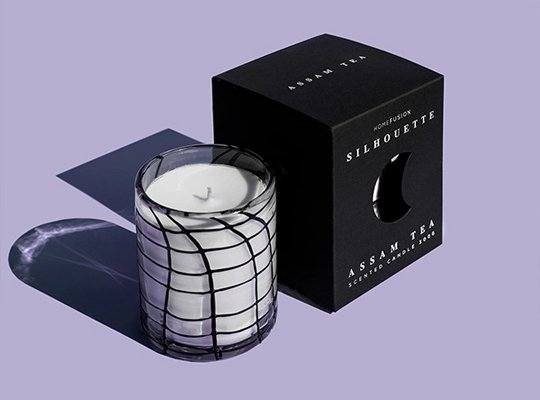
Compare candle box insert materials
| Insert material | Useful for | Watch point |
|---|---|---|
| Folded paperboard | Light or medium candles, clean printed presentation | Thin board can flex under a heavy jar |
| Corrugated board | Heavier jars and ecommerce packs | Exposed fluting may look less premium |
| Molded pulp | Formed support with a paper-based appearance | Tooling, tolerance and surface texture need review |
| Foam or EVA | Close fit, cushioning and premium presentation | Material choice, odor, recycling and cost need approval |
| Paper divider grid | Two or more jars or mixed products | Divider must remain upright and prevent contact |
| Wrapped rigid-board platform | Premium gift sets with a controlled layout | Adds handwork, material and sample time |
Paperboard is not automatically strong enough because it is folded, and foam is not automatically necessary because the product is glass. A physical sample with the real filled candle is the fastest way to compare the options.
For a broader material decision, review paper inserts vs plastic trays and custom paper inserts.
Start with the finished candle jar
Measure the jar body, base, shoulder, lid and any label or decorative feature that changes its width. Use the filled product weight. A ceramic vessel, thick glass base or metal lid can shift the center of gravity.
Send the supplier:
- Maximum jar diameter or width
- Total height with lid
- Filled weight
- Photos from the front, side, top and bottom
- Areas that should not be rubbed or squeezed
- Opening direction and desired presentation
If the jar has a fragile lid, pump, decorative seal or uneven surface, identify a safe support area. Do not place all pressure on one weak point simply to hide the insert.
Control movement without making the fit too tight
An insert needs enough retention to stop the candle moving freely but enough clearance for practical packing and product variation. Glass, labels and handmade vessels can vary slightly.
Check the sample by:
- Packing and removing the candle several times.
- Turning and gently shaking the closed box to detect movement.
- Looking for label scuffing or pressure marks.
- Checking whether the insert lifts out with the candle.
- Repeating the fit check across more than one production sample.
If packers need force to seat every jar, the fit is not production-friendly. If the jar rattles, the cutout or support points need revision.
Design single-candle and gift-set inserts differently
A single jar may be supported by a base platform, neck ring, side tabs or a formed cavity. The best layout depends on jar weight, lid shape and the opening experience.
For a gift set, separate each glass item and decide whether the customer should see everything at once. A rigid box with a wrapped platform can create a premium display. A corrugated mailer with dividers may be more practical for subscription or ecommerce use.
Mixed sets need extra attention when a heavy candle sits beside a lighter accessory. The heavy item can move into the lighter one unless the divider and outer carton control both products.
Separate presentation packaging from shipping protection
A folding carton or rigid gift box may hold the jar neatly on a shelf but still need an outer shipping carton. Direct-to-customer orders face drops, vibration and stacking that a display sample does not represent.
Plan three layers when the route needs them:
- The candle vessel and its lid or seal
- The retail box and fitted insert
- The shipping carton, cushioning and closure
For a full route checklist, see shipping candles internationally and glass jar candle packaging protection.
Test the filled product and final pack
Use the real finished candle rather than an empty jar. The final product weight changes how the insert bends and how the package lands.
ISTA lists packaged-product test procedures for different distribution environments. Ask your test provider or logistics partner which ISTA test procedure fits the route. Record the tested product, insert material, retail box and outer carton so a later change is not treated as the same pack.
Visual inspection after testing matters. Check the jar, lid, wax surface, label, insert and every corner of the box—not only whether the glass broke.
Balance protection, presentation and packing time
Premium wrapping, pull tabs and layered platforms can improve presentation, but every component adds assembly and inspection work. Use them when they support the price and opening experience.
For a simple candle line, a well-fitted paperboard or corrugated insert may be enough. For a luxury set, use decorative materials where the customer sees them and stronger hidden support where the weight demands it.
Ask the packer to time a small batch. An insert that takes several attempts to fold or align can slow a large order and create inconsistent results.
Common candle insert mistakes
- Designing from an empty jar instead of the filled candle.
- Measuring the body but forgetting the lid or widest shoulder.
- Selecting material only from appearance.
- Making the cutout so tight that labels scuff during packing.
- Letting glass jars touch inside a gift set.
- Assuming the retail insert replaces an outer shipping system.
- Approving artwork before the insert and box dimensions are locked.
What to send for a candle insert quote
- Filled candle sample, dimensions and weight
- Jar and lid material
- Quantity and number of candles per box
- Retail, gift, subscription or ecommerce use
- Preferred box style and opening direction
- Insert material preference, if any
- Desired product layout and removal method
- Destination and shipping route
- Outer-carton or test requirements
Compare custom candle boxes, candle packaging from China or request a quote when the finished candle is available.
FAQ
What is the best insert for a glass candle jar?
The best insert is the simplest material and structure that safely holds the filled jar through its real route. Paperboard, corrugated, molded pulp and foam can all work in the right application.
Are paperboard candle inserts strong enough?
They can be for suitable jar weights and structures. Heavy candles may need reinforced folds, corrugated support or another material. Test the finished pack rather than deciding from board thickness alone.
How tight should a candle box insert be?
It should control movement without requiring force to pack or scuffing the jar and label. Allow for normal product and packaging variation, then check several samples.
Do candle gift boxes need shipping cartons?
Usually yes when they will be sent by parcel or freight. The gift box provides presentation and local support; the outer pack handles the wider distribution route.
When should the candle insert be designed?
Design it before final box dimensions and artwork. The insert determines the internal space, product position and often the size of the outer box.