A subscription box program works when every monthly or seasonal pack can be repeated without guesswork. Lock the product list, packaging components, packing order, quality checks, labels and handoff details before products reach the packing station.
If products are sourced in China, packaging production and suitable pack-out work can be coordinated before the finished cartons move to your warehouse or fulfillment provider. This does not replace last-mile fulfillment: the receiving warehouse still manages customer orders, addresses, carrier labels and final delivery.
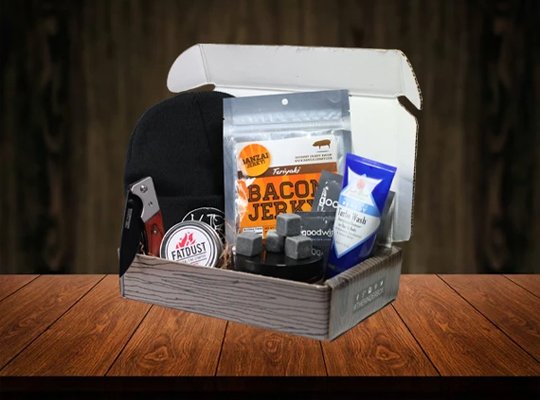
Subscription box fulfillment workflow at a glance
| Stage | What to confirm | Useful output |
|---|---|---|
| Product plan | SKU, quantity, dimensions, weight and arrival date | Approved bill of materials |
| Packaging plan | Box, insert, tissue, cards and labels | Samples and component list |
| Product receiving | Supplier, carton count and SKU identification | Receiving record |
| Pack-out | Product order, orientation and quantity | Photo-based packing instructions |
| Quality check | Appearance, count, barcode and closure | Inspection checklist |
| Carton packing | Units per carton, carton size and weight | Master carton record |
| Freight handoff | Marks, packing list and destination | Handoff file for the next provider |
For repeat programs, assign an owner and deadline to each stage. A beautiful box will not solve a missing product, outdated card or late label file.
Lock the bill of materials before packing
Create one bill of materials for each subscription box version. It should name every product and packaging component, including pieces that look minor:
- Product SKU and quantity per box
- Retail box or protective wrap
- Structural insert or divider
- Tissue, shred or other fill
- Thank-you, instruction or promotion card
- Sticker, seal or label
- Shipping label or warehouse barcode, if applied at this stage
Add a revision date and image for each component. If a card changes every month, the pack-out team must be able to tell the current version from leftover stock. The ecommerce packaging inserts guide explains how to simplify printed pieces and their placement.
Receive products from several suppliers without mixing SKUs
Subscription sets often combine products from different factories. Give every supplier a delivery reference, SKU label, expected carton count and receiving address. Products that arrive without clear identification take longer to count and are easier to mix.
Plan a buffer between the last product arrival and the pack-out date. Receiving, count checks and damage reporting need time. If one product is late, decide in advance whether the whole pack waits, a replacement is used or the launch date changes.
When China-side packing is suitable, the product packing service in China page explains how packaging, products and carton preparation can meet before freight handoff.
Keep the packaging structure stable when possible
A stable box size and insert system reduce repeated sampling. Monthly artwork or a printed card can change while the main structure stays the same.
Use an adjustable divider, paper pad or simple fill when product dimensions vary slightly. Redesign the structure when the new products no longer fit safely, create too much empty space or change the packed weight significantly. Do not force every collection into one oversized box simply to avoid a new sample.
For a mailer box, confirm whether it is only a presentation box or will also travel through the parcel network. A presentation box may still need a protective outer shipping carton.
Create photo-based pack-out instructions
Write instructions for someone who has not seen the project before. Show the box open, the order of the products and the final closed pack.
Include:
- Box version and product SKUs.
- Quantity of every item.
- Product direction, label direction and opening direction.
- Insert, card and tissue placement.
- Closure method and seal position.
- What to do with a damaged, missing or mismatched item.
Use a short written list beside clear photos. One approved golden sample can serve as the physical reference for the production team.
Build quality checks around likely errors
Check what can actually go wrong in the program. A useful checklist may include product count, correct scent or shade, visible damage, cap or closure, barcode, card version and final box appearance.
For mixed sets, a weight check can help flag a missing item, but it should not be the only control. Products with variable weights may require a wider acceptable range.
Record the approved sample and inspection level before full packing. If a problem is found, keep affected cartons separate until the rework decision is clear.
Prepare labels, master cartons and freight handoff
Confirm where each label is applied. A product barcode, set barcode, warehouse label and carrier label serve different jobs and may be added at different locations.
After pack-out, record:
- Finished units per master carton
- Master carton dimensions and gross weight
- Carton count and total quantity
- SKU or set version in each carton
- Carton marks, pallet plan or warehouse labels
- Packing list and agreed delivery point
Your freight provider or receiving warehouse should confirm its final label, document and appointment requirements. Review sending packaging to a China supplier when components will move between factories.
Use a repeatable launch calendar
Work backward from the required warehouse arrival date. Allow time for product production, packaging production, sample approval, product receiving, pack-out, inspection and freight.
For the next cycle, reorder long-lead packaging before the current stock is exhausted. Keep a simple balance for boxes, inserts and cards so one low-cost component does not stop an entire pack-out.
Common subscription box fulfillment mistakes
- Changing products without checking fit and packed weight.
- Receiving products with no SKU or carton reference.
- Sending packers a mood board instead of exact placement instructions.
- Mixing old and new card versions at the packing station.
- Treating a presentation mailer as the only parcel protection without testing.
- Confirming carrier or warehouse labels after cartons are already sealed.
- Forgetting to count unused packaging for the next cycle.
What to send for a subscription box quote
- Product list, photos, dimensions and weights
- Quantity of each product per set
- Monthly or seasonal order quantity
- Target box style and finished size
- Insert, card, tissue and label requirements
- Artwork schedule and number of versions
- Product supplier locations and expected arrival dates
- Packing instructions or desired opening sequence
- Destination warehouse and requested freight handoff
Compare custom subscription boxes, Shopify packaging from China or request a quote when the product list is ready.
FAQ
What is subscription box fulfillment?
It is the process of receiving products and packaging, assembling each set, checking it, applying required labels and preparing it for storage or delivery. Last-mile fulfillment also includes customer orders and parcel shipping.
Can subscription boxes be packed in China?
Yes, when the products, packaging, instructions and destination are suitable. Confirm responsibilities for receiving, inspection, pack-out, labels and freight before products are sent to the packing location.
Should a subscription box use the same size every month?
A stable size can reduce sampling and simplify packing, but only while the products still fit safely and the packed box does not feel wastefully large.
What should a subscription box packing checklist include?
Include every product and packaging component, quantities, placement, orientation, quality checks, closure method, labels and the action to take when something is missing or damaged.
Is a subscription mailer box ready for direct shipping?
Not automatically. Its board, closure, packed weight and internal protection must suit the actual delivery route. Some presentation boxes still need an outer shipping carton.