A belly band is a relatively narrow printed strip wrapped around a product, stack or box. A packaging sleeve usually covers more of the product or slides over a tray or inner box. Use a belly band when you need light bundling or a small branding area; use a sleeve when you need more coverage, structure or printed space.
Neither format replaces protective shipping packaging. The product, inner pack and outer carton still need to suit the actual handling route.
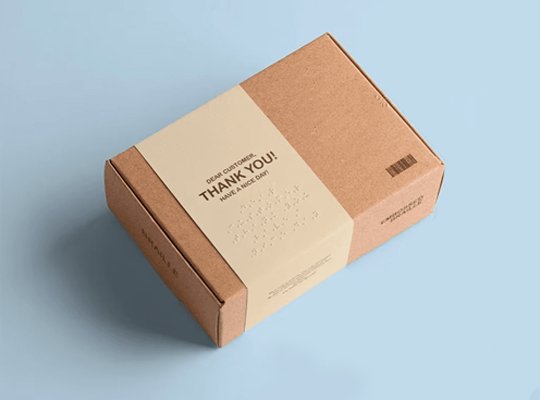
Packaging sleeves vs belly bands at a glance
| Decision point | Belly band | Packaging sleeve |
|---|---|---|
| Coverage | Narrow strip around part of the product | Covers a larger area or most sides |
| Main use | Branding, light bundling or sealing | Branding, hiding an inner tray or adding structure |
| Paper use | Usually lower | Usually higher |
| Printed space | Limited | More room for graphics and information |
| Product visibility | Leaves more of the product visible | Hides more of the product or inner pack |
| Fit sensitivity | Circumference and overlap must be accurate | Opening size, length and sliding fit must be accurate |
| Packing step | Wrap, align and seal | Pre-form or slide over the product |
| Shipping protection | Minimal | Minimal unless designed as part of a tested structure |
The terms are sometimes used loosely by buyers and suppliers. Send a reference photo and state how much of the product should be covered instead of relying only on the name.
What is a packaging belly band?
A belly band is a printed paper or paperboard strip that wraps around a product, a group of products or an existing box. Its ends overlap and are usually glued, locked or sealed with a sticker.
Common uses include:
- Holding folded socks, underwear or apparel together
- Branding a plain kraft box
- Bundling soap bars or stationery
- Closing tissue around a product
- Identifying a flavor, scent, size or seasonal version
A band works best when the product underneath already has enough protection. It can add light restraint but should not be treated as a strong closure for a heavy item.
What is a packaging sleeve?
A sleeve is a larger paperboard component that slides over a tray, carton or product. It may be open at two ends or designed with another locking feature.
Sleeves are useful when you want:
- A larger uninterrupted print area
- More coverage around an inner tray or box
- A lower-material alternative to replacing a complete printed box
- One common inner box with different outer artwork versions
- A more structured retail presentation
See custom sleeve boxes for common product formats. A drawer-style box also has an outer sleeve, but that structural shell is different from a simple printed wrap.
Choose from coverage and customer experience
Use a belly band when the product material or plain box should remain visible. Kraft soap, folded fabric and natural paper can become part of the presentation while the band carries the brand and required short information.
Use a sleeve when the inner pack should be hidden, the artwork needs more room or the customer should slide the pack open. A sleeve may also cover labels or joins on a simple inner box.
Think about removal. A band may tear, unseal or slide off. A sleeve can be reusable but may be difficult to remove if the fit is too tight. Decide whether the customer should replace it after opening.
Measure the product, overlap and sliding fit
For a belly band, measure the full path around the finished product. Add the planned overlap and sealing area. The product should be in its final packed condition because tissue, folded fabric and box tolerances affect the circumference.
For a sleeve, record the inner tray or product width, depth and length. Allow practical clearance for the sleeve to slide without scratching the inner box or falling off. Paper thickness, lamination and fold lines consume space.
Confirm:
- Finished product or inner-box dimensions
- Band width or sleeve coverage
- Overlap and glue position
- Grain direction and fold direction when important
- Orientation of front, back and side artwork
- Whether the piece is applied by hand or machine
Request a blank size sample when the fit is close. A digital rendering cannot show sliding resistance or packing speed.
Select paper and finishes for folding and handling
Light paper can work for a simple disposable band. Heavier paperboard gives a cleaner edge and more structure but may resist tight wrapping around a small product.
Kraft paper supports a natural look. White coated stock gives brighter printed color. Uncoated stock can be easier to write on, while lamination adds surface protection but changes folding behavior.
Foil, embossing and spot finishes can create a premium detail on a small area. Keep them away from tight folds and glue zones unless the sample confirms they work. Review printing and packaging finishes before applying decorative processes.
Compare cost, MOQ and packing time
A narrow belly band generally uses less paper than a full sleeve, but finished cost also includes printing setup, cutting, gluing and application. A small band with several finishes may cost more than a plain sleeve.
Both formats can help a small brand use one standard inner box across several SKUs. Change the band or sleeve artwork rather than producing a separate box for every version. This can simplify packaging stock, but every additional artwork version still needs minimum quantities and clear inventory control.
Packing labor matters. A pre-glued sleeve may slide on quickly. A flat band that must be wrapped, aligned and sealed by hand adds repeated steps. Ask for the supplied form—flat, pre-glued or assembled—and test a short packing run.
For broader quantity planning, see low-MOQ custom packaging for small brands.
Match the format to the product
| Product | Practical starting point | Reason |
|---|---|---|
| Folded apparel | Belly band | Keeps fabric visible and lightly bundled |
| Soap bars | Belly band or open sleeve | Adds branding while showing the product |
| Plain mailer or gift box | Belly band | Adds a campaign or SKU layer without replacing the box |
| Tray of small products | Sleeve | Covers and holds the tray more fully |
| Food or bakery carton | Sleeve | Adds printed coverage to a plain inner pack |
| Stationery set | Band for a bundle; sleeve for a tray | Depends on how much restraint and coverage are needed |
For soap-specific examples, read soap sleeves and belly band packaging. For garments packed in China, see apparel packaging from China.
Plan artwork and packing together
Mark the front panel, seam, overlap, glue area and fold lines on the dieline. Keep barcodes, QR codes and important text away from curves, joins and areas that may be hidden after wrapping.
Give the packer a placement photo and acceptable alignment range. A centered logo may look off if the product shape changes or the band shifts during handling.
If the pack also includes cards, labels or dividers, list the full packing order. The ecommerce packaging inserts guide helps keep those components manageable.
Common mistakes with sleeves and belly bands
- Using the two names without a photo or coverage measurement.
- Measuring a bare product instead of the final folded or packed item.
- Forgetting the overlap, seam or glue zone in the artwork.
- Making a sleeve so tight that it scratches the inner box.
- Expecting a paper band to provide shipping protection.
- Adding finishes across folds or glue areas without sampling.
- Ignoring the time required to wrap and align every piece.
What to send for a sleeve or belly band quote
- Product or inner-box photos and finished dimensions
- Desired coverage and reference image
- Belly band width or sleeve length
- Paper and finish preference
- Printing colors and artwork status
- Flat, pre-glued or assembled delivery preference
- Application method and packing location
- Quantity for each artwork version
- Destination and delivery date
When these details are ready, compare custom sleeve boxes or request a quote.
FAQ
Is a belly band the same as a packaging sleeve?
Not usually. A belly band is generally a narrower strip around part of a product, while a sleeve covers more area or slides over an inner tray or box. Suppliers may use the terms differently, so send a photo.
Are belly bands cheaper than sleeves?
They often use less paper, but final cost also depends on quantity, printing, cutting, gluing, finishes and packing labor. Quote the complete applied format rather than comparing material area alone.
Can a packaging sleeve replace a shipping box?
No. A simple sleeve adds branding and light structure but does not provide the protection of a tested shipping carton. Use an outer pack suited to the route.
How do you measure a belly band?
Measure around the final packed product, then add the required overlap and sealing area. Confirm band width, seam position and product variation with a physical sample.
Should sleeves arrive flat or pre-glued?
That depends on freight space, packing equipment and labor. Flat pieces save volume but need assembly; pre-glued sleeves can speed packing but should be tested for fit and storage.